
"coffee seed layers"
2000 article(s) found

Composition structure of coffee cherry coffee fruit structure of coffee
Professional coffee knowledge exchange more coffee bean information please follow the coffee workshop (Wechat official account cafe_style) Coffee Cherry Coffee Cherry the coffee beans you brew are actually processed and roasted fruit seeds, this fruit is called coffee cherry. The outer skin of a coffee cherry is called an exocarp. Below it is the mesocarp, a thin layer of pulp, followed by a sticky thin layer
When Coffee meets the Mid-Autumn Festival (Coffee Mooncakes)
Starbucks Mid-Autumn Festival mooncakes Starbucks is the ancestor of selling foreign mooncakes in China, selling mooncakes with Starbucks characteristics every Mid-Autumn Festival. Starbucks specializes in coffee, so the coffee-flavored moon cakes are also very special. Its coffee-flavored moon cakes are: chocolate coffee almond milk flavor, espresso raspberry, pumpkin latte, Florna cheese truffle; in addition, Starbucks also launched

Natural Coffee Solarization Process Introduction What is the difference between coffee washing and solarization?
Professional coffee knowledge exchange More coffee bean information Please pay attention to coffee workshop (Weixin Official Accounts cafe_style) Coffee is a kind of fruit. After picking, coffee cherries go through a long and complicated process from green beans to green beans. Different countries, different regions and different farms have different methods for processing coffee beans. The sun treatment method is used to treat coffee after picking

Raw Coffee Bean treatment-the fermentation effect of washing treatment and its effect on Coffee Flavor
Professional coffee knowledge exchange more coffee bean information Please pay attention to the coffee workshop (Wechat official account cafe_style) Fermentation is one of the important links in washing treatment. Relative to the sun treatment, the harvested coffee cherries will be dried directly together with the pulp and mucus layer. After the peel and pulp are removed, the coffee seeds with mucus will be dried naturally or artificially.

Morphological characteristics and growth Environment of Coffee trees
Coffee is a perennial evergreen shrub or small tree of Rubiaceae. It is a horticultural perennial cash crop with the characteristics of fast growth, high yield, high value and wide market. Wild coffee trees can grow to a height of 5 to 10 meters, but coffee trees planted on the manor are often cut to less than 2 meters in order to increase their fruit and facilitate harvesting. The opposite leaves of coffee trees are long oval.

The structure name of each part of coffee bean
The structure name of each part of the coffee bean the coffee fruit is wrapped with a hard outer skin (cut skin) on the outside, a gelatinous pulp (pulp) on the inside, an endocarp (parchament) on the inside, and a silver skin tightly wrapped on the seed, and the green seed is wrapped on the inside, that is, the coffee bean. Seeds usually exist in pairs, each showing

What are the traditional processing methods of coffee beans? what are the characteristics of Starbucks washing treatment of coffee beans in Kenya?
Professional coffee knowledge exchange more coffee bean information Please pay attention to the coffee workshop (Wechat official account cafe_style) Coffee fruit usually has two seeds, the outer layer is covered by endocarp and pectin layer, and the outer layer is pulp and pericarp. The pulp of coffee fruit itself contains a lot of sugar. Treatment is simply a way to remove seeds from the fruit, which are found all over the world.

What are the advantages and disadvantages of washing and tanning? What's the difference between them?
Professional coffee knowledge exchange more coffee bean information please follow the coffee workshop (Wechat official account cafe_style) what are the advantages and disadvantages of washing and tanning? What's the difference between them? The influence of coffee flavor, in addition to varieties, producing areas, planting methods, there is also an important process of coffee raw bean treatment. Different treatments will lead to different flavors of coffee beans.

The life journey of coffee trees, from the planting of coffee trees to the harvest of coffee beans
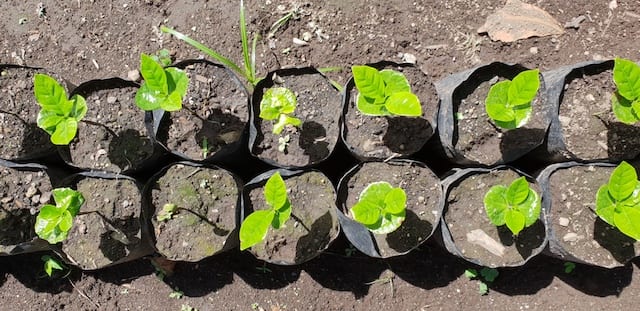
(1) the seedling stage is the period from the germination of seeds (or cuttings or grafting) to the emergence of seedlings (the stage of raising seedlings in the nursery), about 0.5-1.5 years. After the coffee seeds were sown, the cotyledons began to be unearthed after a period of germination, which took about 30-100 days, and the length of time was closely related to temperature and humidity. Cotyledons must be removed after germination

Enter the world of boutique coffee and learn about the process of coffee from seed to cup!
Professional coffee knowledge exchange more coffee bean information please follow the coffee workshop (Wechat official account cafe_style) boutique coffee one of the top brands in the coffee market, a coffee shop can not have cake, but you must have coffee from various producing areas on the menu, otherwise you will feel that this coffee shop is missing a soul.
[coffee encyclopedia] from seeds to cups
I originally wanted to write an article called from seed to cup, but later I found that there were too many articles in the coffee. Also, a small red fruit for several years, the harvest and processing of farmers, across the ocean. The fine processing distributed to local bakers and the careful cooking of baristas is a story in itself. Let's talk about coffee beans in the first season, from our cup.
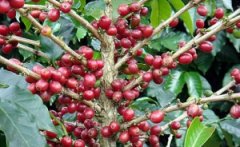
What does the coffee tree look like? What kind of coffee do you have? What are the characteristics of flowers and fruits of coffee trees?
Professional coffee knowledge exchange more coffee bean information Please follow the coffee workshop (Wechat official account cafe_style) when you drink a delicious latte or handmade coffee, it is hard to imagine that it is the product of a plant, the fruit produced by countless coffee trees in the world provides the source of our vitality. But what exactly does a coffee tree look like? What kind do you have? And coffee trees.

The differences and processes of primary ways of sun exposure, water washing and honey
Differences in the primary ways of tanning, washing, and honey and the process skin / pulp: two coffee seeds are surrounded by the outermost peel. Except for sun-or all-natural sun-treated coffee, the outermost peel is disposed of within hours of harvest. As edible fruit, we can also call this layer of peel pulp. In the case of coffee, most of this peel is

Three main treatment methods of Costa Rican coffee raw beans Villa Manor Coffee beans Red Honey treatment process Flavor
Most of the coffee we see from Tarasu is washed coffee. Generally speaking, washed coffee has a very clean flavor. When you taste washed coffee, you mainly taste the coffee seeds and roasted flavor. Where the fruit comes from, ideally, the process it goes through has no external influence. Pick ripe coffee cherries from trees during harvest

Understand the growth process of a coffee from a coffee seed to a coffee tree!
Professional coffee knowledge exchange more coffee bean information please follow the coffee workshop (Wechat official account cafe_style) then today the editor will popularize science for you, the growth process of a coffee from coffee seed to coffee tree! It usually takes 4 to 5 years for coffee trees to grow from seed to germination to grow into a tree and then to blossom for the first time. From the moment the seed is sown to the soil

Life Journey of Coffee Tree
Coffee, as a perennial evergreen shrub or small tree of Rubiaceae, is a horticultural perennial cash crop. The life of a coffee tree is generally divided into these stages: (1) the seedling stage is the period from the germination of seeds (or cuttings or grafting) to the emergence of seedlings (the stage of raising seedlings in the nursery), about 0.5-1.5 years. After the coffee seed is sown, after a period of time
Fine Coffee-Yunnan small Coffee
Yunnan is the main coffee bean producing area in China. Yunnan is located in the subtropical mountain climate zone south of the Tropic of Cancer, with unique plateau red soil, fertile and loose soil and mild climate, which is especially suitable for growing small-grain coffee. Yunnan coffee was first introduced by French missionaries in 1902. Up to now, there are still 24 coffee trees with more than 90 years old in Zhukula Township, Binchuan County. Rui Lijing, 1914
Coffee beans Coffee varieties Yunnan Arabica coffee
Yunnan is China's main coffee producing area. Yunnan is located in the subtropical mountain climate zone south of the Tropic of Cancer, with unique plateau red soil, fertile loose soil, mild climate, especially suitable for planting small coffee species. Yunnan coffee was first introduced by French missionaries in 1902. Up to now, 24 coffee trees with more than 90 years old still grow in Zhukula Township, Binchuan County. 1914 Ruili Jing

Can coffee trees be planted at home? let's first understand the whole process of coffee beans from planting to picking!
Professional coffee knowledge exchange more information about coffee beans Please follow the coffee workshop (Wechat official account cafe_style) what are the fruits and seeds of coffee? Do you want to plant coffee trees in your own home when the coffee beans turn out? First, let's take a look at the whole process of coffee beans from planting to picking: the growth process of coffee is from seeds (or cuttings, grafting) to germination at the seedling stage.

Process and characteristics of wet planing treatment of raw coffee beans the surface of raw coffee beans in Manning looks moldy
Sumatran wet planing is the annual harvest season for manning in Sumatra from March to May and September to December, and now most coffee farmers only harvest all-red coffee cherries. After collecting coffee cherries in the morning, coffee cherries will be peeled and peeled in the afternoon. Sumatra has a superior natural environment, and most of the water used will be mountain spring water. 1. Peel the coffee fruit and place the peas with shells.